


There's no single best sleep supplement. The right one depends on why you're not sleeping: trouble dropping off, waking at 3 am, a mind that won't switch off, or a body clock thrown out by a flight. This guide matches seven ingredients to those problems, rates the evidence for each, and reads six labels you can buy in India as of October 2026. If you came looking for the best sleep supplement in India, start with your problem, not a brand. Disclosure: we make one of the six, SILT™ Nights, our melatonin-free sleep drink, and we say plainly below where it fits and where it doesn't.
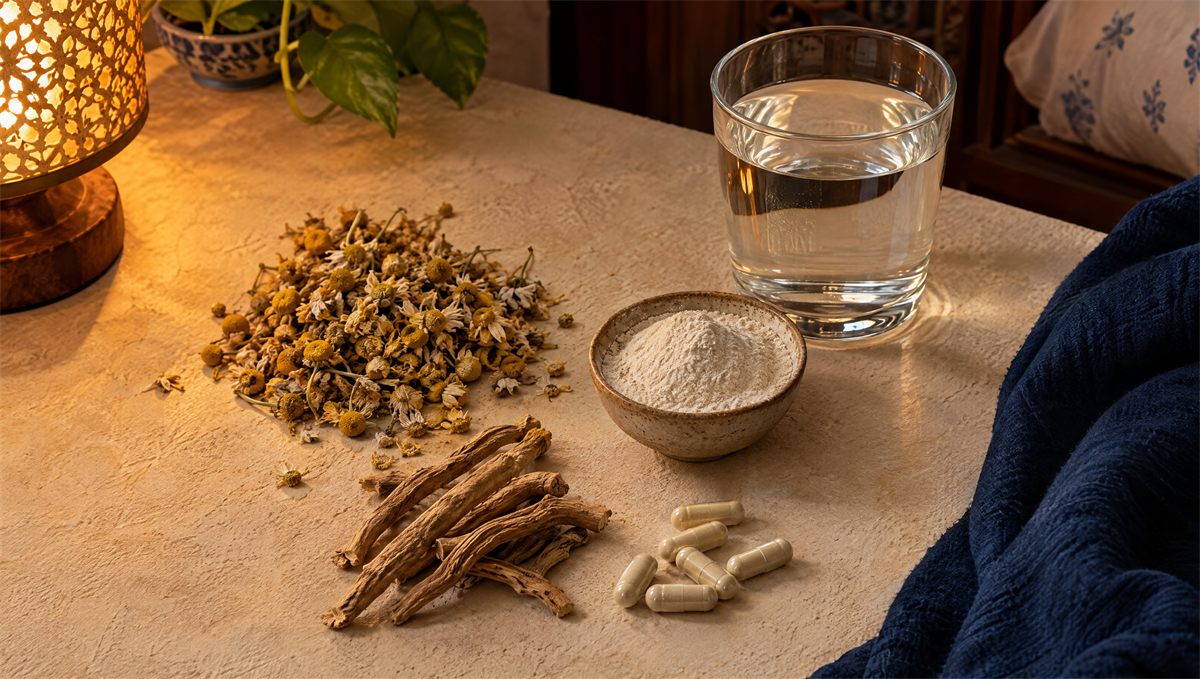
Which supplement is best for sleep?
It depends on the problem. Here's the evidence-first short list:
- Jet lag or a shifted body clock: melatonin has the best support (Herxheimer & Petrie, 2002).
- Trouble falling asleep: melatonin helps modestly, about 7 minutes faster on average (Ferracioli-Oda et al., 2013). Ashwagandha root extract has small trials.
- Poor sleep quality or waking at night: magnesium bisglycinate has one recent trial showing a small benefit (Schuster et al., 2025); glycine and chamomile have smaller evidence.
- Racing mind, stress-linked sleep: L-theanine and ashwagandha, both studied in small trials.
- Months of poor sleep, loud snoring or gasping at night: see a doctor. That's not supplement territory.
Match the supplement to the problem
Pick by symptom. The table below links each common sleep problem to the ingredients with human evidence for it, and to what the trials actually found. Effects are modest across the board: no supplement in this guide works like a sleeping pill.
| Your sleep problem | Ingredients with human evidence | What the trials found | Do this too |
|---|---|---|---|
| Trouble falling asleep | Melatonin; ashwagandha root extract; L-theanine | Melatonin: about 7 min faster sleep onset across 19 trials. Ashwagandha: 29.0 vs 33.9 min to fall asleep in one Indian insomnia trial | A fixed wind-down routine. See how to sleep fast |
| Waking at night, unrefreshing sleep | Magnesium bisglycinate; glycine; chamomile | Magnesium: small improvement in insomnia scores (d = 0.2). Glycine: less next-day fatigue after short sleep | If you snore or gasp, see a doctor first |
| Racing mind, stress-linked sleep | L-theanine; ashwagandha root extract | Sleep-quality and stress scores improved in small trials | Same bedtime every night |
| Jet lag | Melatonin, taken near bedtime at your destination | 9 of 10 trials found less jet lag after flights crossing 5+ time zones | Short-term use only |
| Poor sleep for months, snoring, breathing pauses | None. See a doctor | Not supplement territory | When to see a doctor |
Match the supplement to the problem, not the hype.
Melatonin: best for body-clock problems
Melatonin is the best-supported option for jet lag, and a modest one for falling asleep. It's a hormone that plays a central part in regulating the body's rhythms (Herxheimer & Petrie, 2002), which is why it fits best when the problem is timing.

For jet lag, a Cochrane review found that 9 of 10 trials showed melatonin taken near the target bedtime reduced jet lag after flights across five or more time zones. Doses from 0.5 to 5 mg worked similarly, and doses above 5 mg appeared no more effective (Herxheimer & Petrie, 2002).
For diagnosed sleep disorders such as primary insomnia, the effect is smaller. A meta-analysis of 19 trials (1,683 adults and children) found melatonin cut the time to fall asleep by about 7 minutes and added about 8 minutes of total sleep. The authors call the effects modest (Ferracioli-Oda et al., 2013). And the American Academy of Sleep Medicine makes a weak recommendation against clinicians using melatonin to treat chronic insomnia in adults (Sateia et al., 2017).
Shopping for the best melatonin supplement in India? Labels we checked sell 3 mg, 5 mg and 10 mg per serve (see the shelf table below). Higher isn't automatically better: for jet lag, the trials above found no extra benefit beyond 5 mg.
Taking melatonin every night?
The 2013 meta-analysis found the effects didn't fade with continued use during the trials. That isn't the same as long-term safety data for years of nightly use. The Cochrane review also notes case reports suggesting people with epilepsy and people taking warfarin may come to harm from melatonin. If you're considering it nightly, decide with your doctor. We cover the details in is melatonin safe every night?
Melatonin or magnesium?
They do different jobs. Melatonin is a timing signal; magnesium is a dietary mineral studied for sleep quality. A 2024 review calls them two of the more widely researched sleep supplements, both with conflicting results (Esquivel & Ghosn, 2024). Our full head-to-head is in magnesium vs melatonin.
Magnesium glycinate for sleep
Magnesium bisglycinate (often sold as magnesium glycinate) has one recent randomised, placebo-controlled trial showing a small benefit for poor sleepers. In a 2025 double-blind trial, 155 adults who reported poor sleep took 250 mg elemental magnesium as bisglycinate, or a placebo, daily. After 4 weeks, Insomnia Severity Index scores fell by 3.9 points with magnesium and 2.3 with placebo. The authors describe the effect as small (Cohen's d = 0.2), with exploratory signs that people eating less magnesium improved more (Schuster et al., 2025). One co-author runs a research organisation funded by nutraceutical companies. Across the wider literature, magnesium trials conflict (Esquivel & Ghosn, 2024). More in our guide to the best magnesium for sleep.
Read the label for elemental magnesium. Sleep supplements with magnesium usually print the compound weight ("2,000 mg magnesium glycinate"), which is much bigger than the mineral it carries. Look for the elemental figure, which is the number trials use. Ours reads "magnesium bisglycinate (13.8% elemental), 1.8 g = 250 mg magnesium" (SILT pack), and 1,800 mg of bisglycinate gives 250 mg of magnesium. Our magnesium glycinate powder guide shows the label maths, and our best magnesium supplement in India guide compares magnesium-only products.
For scale, India's ICMR-NIN 2020 recommended dietary allowance for magnesium is 440 mg/day for adult men and 370 mg/day for adult women (ICMR-NIN, 2020). The 250 mg in that trial, and in a SILT Nights stick, is about 57% of the men's figure and 68% of the women's, with the rest expected to come from food.
Glycine: for the morning after
Glycine is an amino acid with small trials, mostly about how you feel the next day. Healthy volunteers had their sleep cut by 25% for three nights and took 3 g glycine or a placebo before bed. With glycine they reported significantly less fatigue the next day and did better on a vigilance test (Bannai et al., 2012). The lead author worked at an amino-acid maker. Promising, but limited: the main outcomes were self-reported and the setting was short-term sleep loss, not insomnia.
L-theanine: for a racing mind
L-theanine, an amino acid, suits stress-linked sleep, but the evidence is thin. In a 4-week crossover trial, 30 healthy adults took 200 mg/day. Pittsburgh Sleep Quality Index scores fell after L-theanine, and the sub-scores for sleep latency and sleep disturbance improved compared with placebo (Hidese et al., 2019). Two authors worked for the company that supplied the L-theanine. A 2024 review lists L-theanine among the less-supported sleep supplements (Esquivel & Ghosn, 2024).
Ashwagandha for sleep and stress
Ashwagandha root extract has a small set of randomised sleep trials, including several from India. A 2021 meta-analysis of 5 randomised trials (400 people) found a small but significant effect on overall sleep. The authors add that data on serious side effects are limited, so long-term safety needs more study (Cheah et al., 2021).
Two Indian double-blind trials give the detail. In adults with insomnia and anxiety, a root extract shortened the time to fall asleep after 10 weeks (29.0 vs 33.9 minutes on placebo) and improved sleep efficiency (Langade et al., 2019). In stressed adults, perceived stress and cortisol fell over 8 weeks, and sleep quality improved compared with placebo (Salve et al., 2019). For more on the stress side, read ashwagandha for stress: can a root tame cortisol?
Herbal options: valerian and chamomile
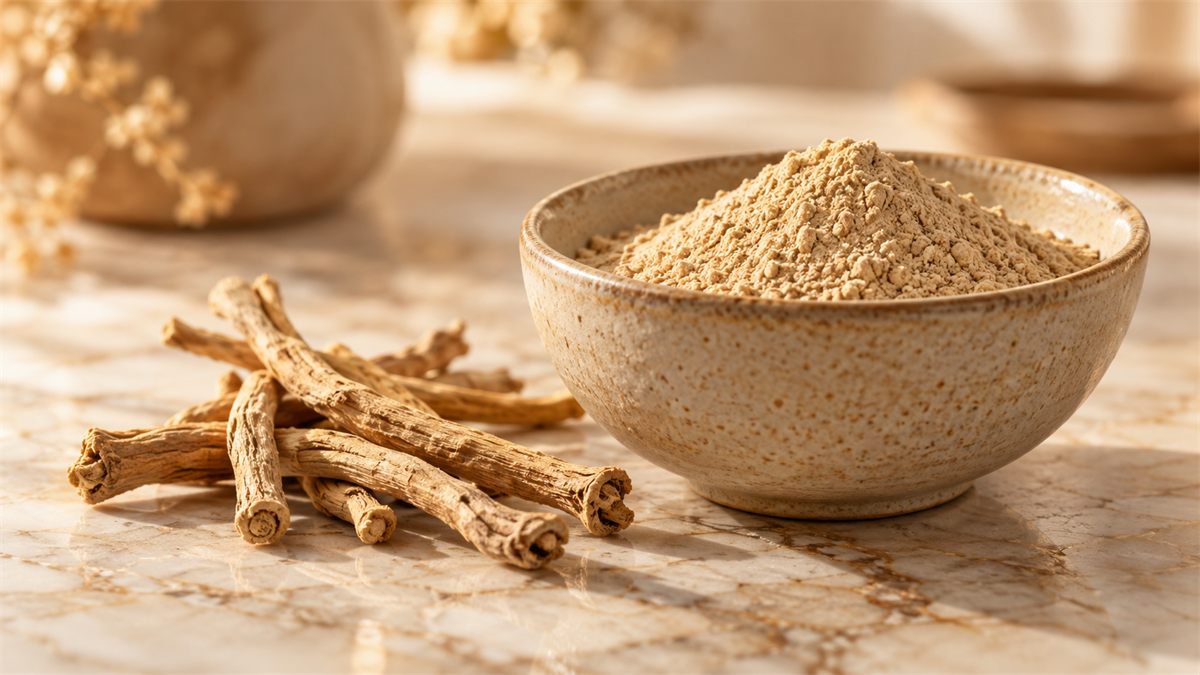
Herbs are the classic natural sleep supplement, and the evidence is mixed. A 2024 review singles out valerian, hops and melatonin as the supplements that could be effective, while noting that the strength of evidence varies and that supplement quality and purity vary widely (Yeom & Cho, 2024).
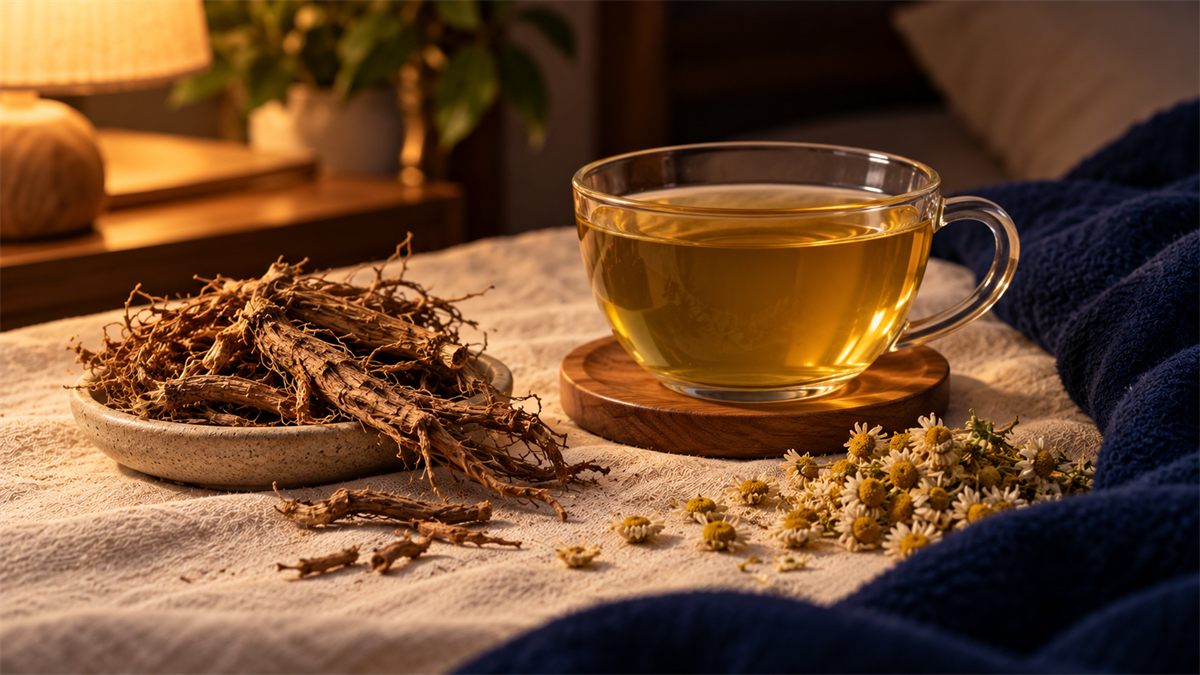
Valerian (tagara)
A meta-analysis of 16 trials (1,093 people) found valerian might improve sleep quality, but most studies had significant methodological problems and there was evidence of publication bias (Bent et al., 2006). The AASM makes a weak recommendation against valerian for chronic insomnia (Sateia et al., 2017). Indian products often list tagara, which one Indian brand's product page describes as valerian root extract. The trials in that meta-analysis studied Valeriana officinalis, so check which species your label uses.
Chamomile
A systematic review of 12 trials found, in its pooled analysis, that chamomile improved sleep quality, but the one trial in people with insomnia found no significant change in insomnia severity (Hieu et al., 2019). Evidence for insomnia itself is thin.
Sleep supplements compared
Here's every ingredient on one screen. "Evidence strength" is our editorial read of the sources cited on this page, not a clinical grade.
| Ingredient | Best fit | Dose in the evidence we cite | Evidence strength | Main caveat |
|---|---|---|---|---|
| Melatonin | Jet lag; falling asleep | 0.5-5 mg near bedtime (jet lag) | Moderate for jet lag; modest for sleep onset | AASM: weak recommendation against for chronic insomnia |
| Magnesium bisglycinate | Poor sleep quality, waking | 250 mg elemental, daily, 4 weeks | Limited to moderate | Small effect (d = 0.2); trials conflict |
| Glycine | Next-day fatigue after short sleep | 3 g before bed | Limited | Small, industry-linked, self-reported outcomes |
| L-theanine | Racing mind | 200 mg/day, 4 weeks | Limited | 30-person trial; supplier employees as authors |
| Ashwagandha root extract | Stress; falling asleep | Root extract, 8-10 week trials | Moderate (meta-analysis of 5 trials) | Long-term safety data limited |
| Valerian / tagara | Sleep quality | Doses varied | Mixed | Methodological problems; AASM weak against |
| Chamomile | Sleep quality | Preparations varied | Limited | No change in the one insomnia trial |
What's on Indian shelves
The sleep supplements in India we checked fall into two camps: melatonin products, some with tagara or L-theanine, and melatonin-free formulas. We read six labels on the brands' own pages on 6 October 2026. Prices change often; check before you buy. Where a page didn't state a figure, we say so.
| Product type (as of October 2026) | Key actives per serve, as stated | Melatonin | Pack | Listed price (brand page) |
|---|---|---|---|---|
| Melatonin 10 mg tablet with tagara | Melatonin 10 mg, tagara (valerian root extract) 250 mg, vitamin B6 (amount not stated), per tablet | 10 mg | 60 tablets | ₹599 (MRP ₹920) |
| Melatonin 5 mg effervescent tablet with L-theanine | Melatonin 5 mg, L-theanine 100 mg, per effervescent tablet | 5 mg | 20 tablets | ₹168 (MRP ₹335) |
| Melatonin 3 mg timed-release tablet with vitamin B6 | Melatonin 3 mg, timed release; vitamin B6 amount not stated | 3 mg | 60 tablets | ₹389 (MRP ₹1,099) |
| Herbal stress-and-sleep capsule | Hops, valerian root, chamomile, passion flower, L-tryptophan, L-theanine, Shoden® ashwagandha; per-ingredient doses not stated on the page | None | 56 capsules (2 a day) | ₹1,050 |
| Chelated magnesium glycinate tablet, 440 mg elemental per 2 tablets | Chelated magnesium glycinate, stated as 440 mg elemental magnesium per 2 tablets | None | 120 tablets | ₹699 (MRP ₹1,150) |
| SILT Nights | Magnesium bisglycinate 1.8 g (250 mg elemental; 13.8% elemental per the pack), glycine 3 g, L-theanine 200 mg, KSM-66 ashwagandha 300 mg, per stick | None | 15 or 30 sticks | ₹900 for 15 (MRP ₹1,125) or ₹1,500 for 30 (MRP ₹2,250); one stick a day, so ₹60 or ₹50 a day |
How to read this table: if your problem is jet lag, the melatonin products are the relevant ones. If you want something for nightly use without melatonin, compare the last three. When a label lists ingredients without per-ingredient doses, you can't check them against the trials. Our science page shows our full formula, with every active listed with its dose. Whether melatonin needs a prescription in India isn't something we've verified, so we don't state it here.
When to see a doctor instead
Some sleep problems need a diagnosis, not a supplement. The NHS advises seeing a doctor if changing your sleep habits hasn't helped, if you've had trouble sleeping for months, or if it's making daily life hard to cope with. Insomnia lasting three months or more counts as long-term (NHS, Insomnia).
See a doctor promptly if your breathing stops and starts while you sleep, if you make gasping, snorting or choking noises, or if you always feel very tired during the day. These are the main signs of sleep apnoea, which can be serious if it isn't diagnosed and treated (NHS, Sleep apnoea).
Also check with a doctor before any sleep supplement if you're pregnant or breastfeeding, or take prescription medicines: herbal and natural sleep supplements can interact with them (Yeom & Cho, 2024).
Why SILT Nights is melatonin-free
SILT Nights is built for a nightly routine, so we left melatonin out. Melatonin's strongest evidence is for timing problems like jet lag, and the AASM leans against it for chronic insomnia. For a drink you take every night, we used the ingredients from the poor-sleep, waking and racing-mind rows above instead. We've also compared the other drinks on Indian shelves in our guide to sleep drink mixes in India.
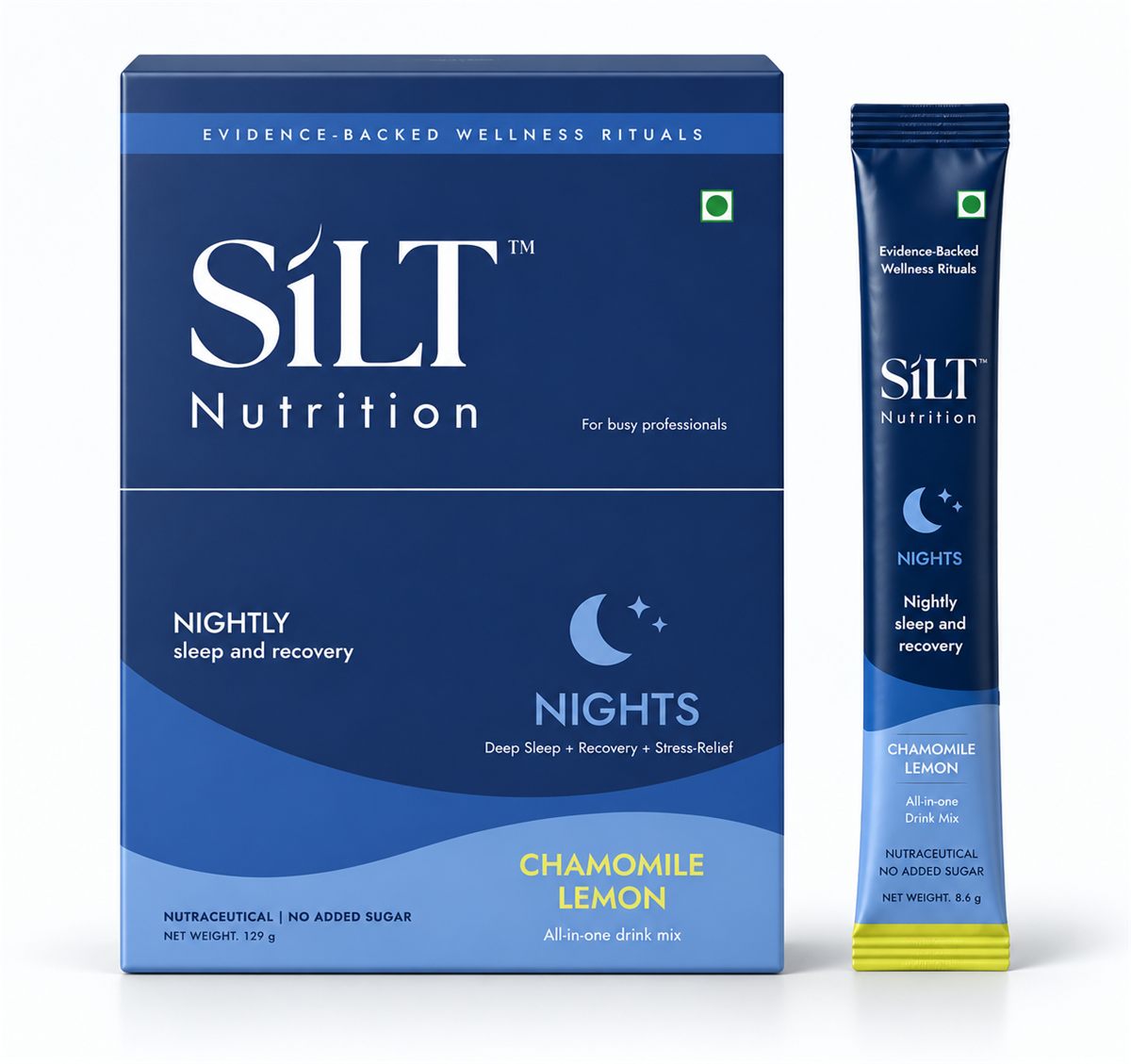
Each stick has 1.8 g magnesium bisglycinate (250 mg elemental magnesium), 3 g glycine, 200 mg L-theanine and 300 mg KSM-66 ashwagandha root extract, every active listed on the back of the pack with its dose. The magnesium, glycine and L-theanine doses match the trials cited above. Zero melatonin, zero caffeine, no maltodextrin and no added sugar; the box prints "no added sugar, no maltodextrin, no melatonin" (SILT pack). Chamomile Lemon is the flavour, not a dosed active. Per stick, the nutrition panel lists 5.00 g protein, 0.63 g total sugars and 0 g added sugars (SILT pack). Stir one stick into 200-250 ml of lukewarm or cold water (not boiling), 30-60 minutes before bed, the window we recommend. The pack adds "For best results, use consistently for at least 3 months", which is about consistency, not a promised result.
What it isn't: a jet-lag aid, a sleeping pill, or a substitute for seeing a doctor about long-term insomnia or apnoea signs. If you have a liver or thyroid condition, are pregnant, or take regular medicines, check with your doctor first. The pack adds that it is not a substitute for a varied diet, and that if you're pregnant or nursing, taking any medications or have any medical conditions, you should contact your healthcare practitioner. Every ingredient comes with a supplier certificate of analysis (on our science page). The KSM-66 certificate reads 5.30% withanolides from roots only, the glycine 99.4% (USP pharma grade) and the L-theanine a 100.0% assay. A finished-product NABL lab report is pending, and we'll publish it when it's ready.
MRP ₹1,125 ₹900 · 15 sticks or ₹1,500 for 30 (MRP ₹2,250)
That's ₹60 a stick on the 15-pack, or ₹50 a stick on the 30-pack.
Shop SILT NightsA supplement supports a routine. It doesn't replace one.
Sleep supplement FAQs
What is the strongest natural sleep supplement?
No natural supplement is strong in the way a prescription sleeping pill is, and that's partly the point. On the evidence cited here, melatonin has the clearest effect, especially for jet lag. Among the herbs, ashwagandha root extract has a meta-analysis of 5 trials showing a small but significant effect on sleep (Cheah et al., 2021), while valerian has more trials but most have significant methodological problems (Bent et al., 2006).
Is melatonin or ashwagandha better?
They suit different problems. Melatonin fits body-clock issues such as jet lag; ashwagandha root extract has been studied for stress and stress-linked sleep, in trials lasting 8-10 weeks. If stress keeps you awake, ashwagandha is the closer match; if your schedule is off, melatonin is.
Which tablet is best for sleeping in India?
Sleeping tablets are prescription medicines, and choosing one is your doctor's call. The NHS notes that doctors now rarely prescribe them for insomnia and use them only short term because of side effects and dependency risk (NHS, Insomnia). Over-the-counter sleep supplements are a separate category.
Is a sleep supplement good for you?
It can help, modestly, if it matches your problem and you take it alongside steady sleep habits. Evidence quality varies widely between ingredients, and so does product quality (Yeom & Cho, 2024), so pick one with every dose on the label and talk to a doctor if poor sleep lasts for months.
So, which should you buy?
Buy for your problem. Jet lag or a shifted schedule: short-term melatonin, at a modest dose. Stress keeping you up: L-theanine or ashwagandha. Waking at night or poor sleep quality: magnesium bisglycinate, possibly with glycine. Months of bad sleep, snoring or gasping: a doctor, before any supplement. If you want a melatonin-free nightly routine with every active listed with its dose, that's what we built SILT Nights for. Evidence, not hype.
MRP ₹1,125 ₹900 · 15 sticks or ₹1,500 for 30 (MRP ₹2,250)
- Herxheimer & Petrie, 2002. Cochrane Database Syst Rev. pubmed.ncbi.nlm.nih.gov/12076414
- Ferracioli-Oda et al., 2013. PLoS One. pubmed.ncbi.nlm.nih.gov/23691095
- Schuster et al., 2025. Nat Sci Sleep. pmc.ncbi.nlm.nih.gov/articles/PMC12412596
- Sateia et al., 2017. AASM clinical practice guideline, J Clin Sleep Med. pubmed.ncbi.nlm.nih.gov/27998379
- Esquivel & Ghosn, 2024. Am J Lifestyle Med. pmc.ncbi.nlm.nih.gov/articles/PMC11082867
- Bannai et al., 2012. Front Neurol. pubmed.ncbi.nlm.nih.gov/22529837
- Hidese et al., 2019. Nutrients. pubmed.ncbi.nlm.nih.gov/31623400
- Cheah et al., 2021. PLoS One. pubmed.ncbi.nlm.nih.gov/34559859
- Langade et al., 2019. Cureus. pubmed.ncbi.nlm.nih.gov/31728244
- Salve et al., 2019. Cureus. pubmed.ncbi.nlm.nih.gov/32021735
- Yeom & Cho, 2024. Psychiatry Investigation. pmc.ncbi.nlm.nih.gov/articles/PMC11321869
- Bent et al., 2006. Am J Med. pubmed.ncbi.nlm.nih.gov/17145239
- Hieu et al., 2019. Phytother Res. pubmed.ncbi.nlm.nih.gov/31006899
- NHS. Insomnia. nhs.uk/conditions/insomnia
- NHS. Sleep apnoea. nhs.uk/conditions/sleep-apnoea
- ICMR-NIN, 2020. Nutrient Requirements for Indians: brief note, Tables 3 and 4. nin.res.in/rdabook/brief_note.pdf
- Product labels and prices: each brand's own product page (one via a retailer's listing), opened 6 October 2026.