


Magnesium vs melatonin isn't really a contest, because they do different jobs. Melatonin is a hormone that tells your body what time it is. Magnesium is a mineral your body needs every day, and it's been studied for winding down. So the better pick depends on whether your problem is timing or switching off. Below we cover how each works, what the trials found, the doses studied against the 3, 5 and 10 mg on Indian shelves, side effects, and taking both. If you want magnesium without melatonin, see SILT™ Nights, our melatonin-free sleep drink, or our guide to magnesium glycinate powder.

Quick verdict
Neither is better for everyone. Melatonin has the stronger evidence when your body clock is out of sync. Magnesium is the nutrient-first option when your timing is fine but you can't wind down, though its evidence is thinner.
- Melatonin territory: jet lag, night shifts, or a body clock that runs late. These are timing problems, and melatonin is a timing signal.
- Magnesium territory: a normal bedtime, but you're tense, wired or sleeping lightly. Trials show small effects. In one trial's exploratory analysis, people who reported eating fewer magnesium-rich foods seemed to gain most (Schuster et al., 2025).
- Doctor territory: weeks of poor sleep. The American Academy of Sleep Medicine suggests clinicians not use melatonin for chronic insomnia, and the magnesium evidence is low quality. Get it assessed.
If you land in magnesium territory, you can take it on its own as magnesium glycinate powder or in a combined, melatonin-free drink like SILT Nights. Sources for each point are in the sections below.
Timing problem or wind-down problem? Start there.
How each works
Melatonin changes when your body expects to sleep. Magnesium is a building-block mineral that's involved in the brain's calming signals.
Melatonin: a timing signal
Your pineal gland makes melatonin in response to darkness. Levels rise in the evening, peak in the middle of the night and fall towards morning. Melatonin binds to receptors in the suprachiasmatic nucleus, the brain's master clock (Yeom & Cho, 2024; NCCIH). That's why the timing of the dose matters. In the Cochrane jet-lag review, melatonin taken at the wrong time, early in the day, could cause sleepiness and delay adjustment to local time. A short, sharp peak also worked better than a 2 mg slow-release tablet (Herxheimer & Petrie, 2002).
Magnesium: a mineral, not a signal
Magnesium is an essential mineral. It's involved in GABA, the brain's main calming messenger, and in the stress-hormone (HPA) axis (Yeom & Cho, 2024). It also acts as a natural blocker of NMDA receptors, which are excitatory (Abbasi et al., 2012). Much of this comes from mechanism, not from sleep trials. A 2023 systematic review of 9 studies (7,582 people) found that people with better magnesium status tend to sleep better, but the randomised trials disagreed with each other (Arab et al., 2023).
Magnesium glycinate vs melatonin
Magnesium glycinate (or bisglycinate) isn't a third option. It's magnesium bound to the amino acid glycine. It matters here because it's the form used in the newest magnesium sleep trial, at 250 mg elemental magnesium a day (Schuster et al., 2025). The older trials used magnesium oxide or citrate (Mah & Pitre, 2021).
What the evidence says
For melatonin vs magnesium for sleep, melatonin has more trials and clear wins for timing problems. For general poor sleep, both show small effects, and the magnesium evidence is rated low quality. A 2024 review calls them two of the more widely researched sleep supplements, with conflicting trial results for both (Esquivel & Ghosn, 2024).
Melatonin: strong for jet lag, modest for insomnia
- Jet lag. In a Cochrane review, 9 of 10 trials found melatonin taken near bedtime at the destination reduced jet lag after flights across five or more time zones. The number needed to treat was 2 (Herxheimer & Petrie, 2002).
- Insomnia and other primary sleep disorders. A meta-analysis of 19 trials (1,683 people) found people fell asleep 7 minutes faster and slept 8 minutes longer than on placebo. The authors call the effects modest, and they didn't fade with continued use (Ferracioli-Oda et al., 2013).
- Chronic insomnia guideline. The AASM makes a weak recommendation against clinicians using melatonin for chronic insomnia in adults (Sateia et al., 2017).
- A late body clock. For delayed sleep-wake phase disorder, the AASM endorses strategically timed melatonin (Auger et al., 2015).
- Night shifts. A Cochrane review found melatonin after a night shift may add about 24 minutes of daytime sleep, but it didn't help people fall asleep faster, and the evidence was low quality (Liira et al., 2014).
Magnesium: small trials, small effects
- Older adults with insomnia. A meta-analysis of 3 trials (151 people) found they fell asleep 17 minutes faster than on placebo. The gain in total sleep time wasn't significant. All three trials were at moderate-to-high risk of bias, and the evidence was rated low to very low quality (Mah & Pitre, 2021).
- Adults reporting poor sleep. In a 2025 trial of 155 adults, 250 mg elemental magnesium as bisglycinate cut Insomnia Severity Index scores by 3.9 points, against 2.3 on placebo, over 4 weeks. The effect was small (d = 0.2). Every outcome was self-reported, and the sleep diaries were too incomplete to analyse. The trial excluded rotating-shift workers, and one co-author runs a research firm funded by nutraceutical companies (Schuster et al., 2025).
Why there's no clean winner
We found no randomised trial that compared magnesium with melatonin directly. The trials also studied different people: travellers and shift workers for melatonin, older adults and self-reported poor sleepers for magnesium. So the honest answer is "it depends on the problem", not a ranking.
Which fits your sleep problem
Match the supplement to the problem. If your clock is off, the evidence points to melatonin. If your clock is fine but your mind or body isn't settling, magnesium is the lower-stakes place to start. And if poor sleep has dragged on for weeks, see a doctor first.

| Your situation | Better-studied option | What the evidence says |
|---|---|---|
| Flying across 5+ time zones, especially eastward | Melatonin | Reduced jet lag in 9 of 10 trials (Herxheimer & Petrie, 2002) |
| Night shifts, sleeping by day | Melatonin, weakly | About 24 min more daytime sleep; low-quality evidence (Liira et al., 2014) |
| You can't fall asleep until very late and can't wake on time | Melatonin, timed by a doctor | Endorsed for diagnosed delayed sleep-wake phase disorder (Auger et al., 2015) |
| Normal bedtime, but wired, tense or sleeping lightly | Magnesium | Small benefit on insomnia scores at 250 mg elemental (Schuster et al., 2025) |
| Aged 55+ with poor-quality sleep | Either, with your doctor | 2 mg prolonged-release melatonin is licensed in the UK for short-term treatment of primary insomnia in this group (UK melatonin SmPC); magnesium trials focused on older adults (Mah & Pitre, 2021) |
| Poor sleep for weeks, whatever you try | A doctor, not a supplement | AASM: weak recommendation against melatonin for chronic insomnia (Sateia et al., 2017) |
If you're tired but wired after long workdays, you're probably in row four: the day ends on time, but your head doesn't. Before any supplement, fix the basics: a regular wake time, low light late at night and caffeine cut off early. Our guide to how to fall asleep faster covers the routine.
Doses: studied vs on the shelf
Indian shelves sell melatonin at doses up to twice the 5 mg level above which the jet-lag review found no extra benefit. For magnesium, the dose that counts is the elemental figure, which many labels don't print.
Melatonin
| Use | Dose studied | Source |
|---|---|---|
| Jet lag | 0.5-5 mg; nothing extra above 5 mg | Herxheimer & Petrie, 2002 |
| After night shifts | 1-10 mg; no dose-response found | Liira et al., 2014 |
| Primary insomnia with poor-quality sleep, age 55+ | 2 mg prolonged-release, 1-2 h before bed, up to 13 weeks | UK melatonin SmPC |
| On Indian shelves | 3, 5 and 10 mg | Online pharmacy sleep-support listings, as of October 2026 |
We checked one online pharmacy's sleep-support category on 6 October 2026. Most melatonin listings we found that state a dose in the product name were 3 mg, 5 mg or 10 mg. They came in forms including tablets, gummies, capsules and oral strips. Doses on labels aren't always what's in the pack, either. A 2017 study of 31 supplements found melatonin content ranging from 83% below to 478% above the label (Erland & Saxena, 2017). NCCIH reports that a 2023 study found 22 of 25 melatonin gummies inaccurately labelled (NCCIH).
Magnesium
The sleep trials used 250 mg elemental magnesium a day as bisglycinate (Schuster et al., 2025), 500 mg as oxide (Abbasi et al., 2012), and 320-729 mg across the older-adult trials (Mah & Pitre, 2021). For scale, India's RDA is 440 mg a day for adult men and 370 mg for adult women (ICMR-NIN, 2020), and food counts towards that.
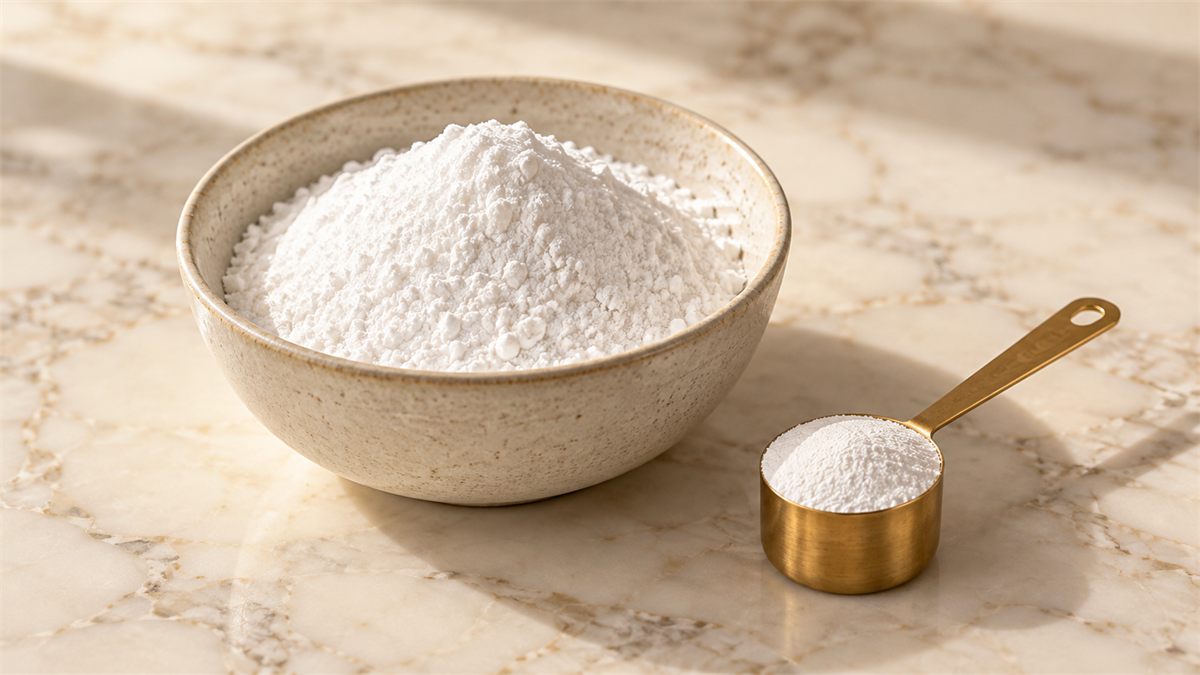
The label maths. Magnesium is always sold bound to something, so the compound weight on the front is not the magnesium dose. The SILT Nights pack prints "magnesium bisglycinate (13.8% elemental)" at 1.8 g and states 250 mg magnesium (SILT pack), about 14% of the compound's weight. A label that says "2,000 mg magnesium glycinate" with no elemental line hasn't told you the dose. Our magnesium glycinate powder guide shows how to read any label, and our best magnesium supplement in India round-up compares them.
Side effects and daily use
Both are generally well tolerated in short-term studies. The daily-use questions differ: for melatonin it's long-term data and timing, and for magnesium it's your gut, your kidneys and your other medicines.
Melatonin
Reported side effects include headache, dizziness, nausea and sleepiness. Short-term use appears safe for most people, but long-term safety data is lacking, and there's little research in pregnancy or breastfeeding (NCCIH). The UK label for 2 mg prolonged-release melatonin warns that it may cause drowsiness and affect driving. It also reports no rebound and no increase in withdrawal symptoms when the trials stopped treatment (UK melatonin SmPC). The insomnia meta-analysis also found no sign that the effect wore off with continued use (Ferracioli-Oda et al., 2013). For the full nightly-use question, read is melatonin safe every night?
Magnesium
The most common side effects are diarrhoea, nausea and stomach cramps, usually mild. High doses carry more risk for people with impaired kidney function (Yeom & Cho, 2024). In the 2025 bisglycinate trial, 93% of all participants (both groups together) reported no adverse events and there were no serious ones (Schuster et al., 2025). Magnesium is a nutrient with an RDA, not a hormone, so daily use is mostly about total intake and kidney health. More in magnesium glycinate side effects and when to take magnesium glycinate.
Medicines to check first
- Melatonin with sleeping pills (benzodiazepines, zolpidem, zopiclone): it may enhance their sedative effect. With fluvoxamine: melatonin levels rose about 17-fold. With alcohol: melatonin works less well (UK melatonin SmPC).
- Melatonin with blood thinners, or if you have epilepsy: use only under medical supervision (NCCIH).
- Magnesium with antibiotics. The ciprofloxacin label says to take it at least 2 hours before or 6 hours after magnesium-containing antacids and other multivalent-cation products (FDA label). Magnesium antacids impair doxycycline absorption (FDA label).
- Magnesium with bisphosphonates. The alendronate label says to wait at least 30 minutes after taking it before any other oral medicine, because products containing multivalent cations such as magnesium interfere with its absorption (FDA label).
- Magnesium with thyroid medicine. The levothyroxine label lists magnesium-hydroxide antacids among products that may reduce its absorption (FDA label).
If you take any regular medicine, ask your doctor or pharmacist how to time a supplement around it.
Can you take them together?
You can, and one trial did, but no study shows the pair works better than either one alone. Treat it as two decisions, not one.
In a double-blind trial, 43 care-home residents (average age 78) with insomnia took 5 mg melatonin + 225 mg magnesium + 11.25 mg zinc or a placebo nightly for 8 weeks. Sleep-quality scores improved significantly more with the supplement (Rondanelli et al., 2011). With three actives in one dose, though, nobody can say which one did the work. In a separate small trial in older adults, magnesium raised blood melatonin levels compared with placebo (Abbasi et al., 2012). That's one finding, and it doesn't mean magnesium replaces melatonin.
None of the sources we checked lists magnesium and melatonin as interacting with each other. Each one's medicine warnings above still apply. If you combine them, ask a pharmacist first, especially if you take sleeping pills or drink in the evening.
Head-to-head table
Here's magnesium vs melatonin on one screen. Shelf doses reflect Indian listings as of October 2026; always check the specific label.
| Feature | Melatonin | Magnesium |
|---|---|---|
| What it is | Hormone made by the pineal gland | Essential dietary mineral |
| Main job in sleep | Signals the body clock | Supports calming (GABA) and stress pathways |
| Best-studied for | Jet lag; delayed sleep phase | Insomnia symptoms in older adults and poor sleepers |
| Effect size | ~7 min faster sleep onset, ~8 min more sleep (19 trials) | ~17 min faster sleep onset (3 trials, low quality); small ISI drop (1 trial) |
| Doses studied | 0.5-5 mg (jet lag; no gain above 5 mg); 1-10 mg (shift work); 2 mg prolonged-release (55+) | 250-729 mg elemental a day |
| Common on Indian shelves | 3, 5 and 10 mg | Often labelled by compound weight, not elemental |
| Common side effects | Headache, dizziness, nausea, sleepiness | Diarrhoea, nausea, cramps |
| Medicines to check | Sleeping pills, fluvoxamine, blood thinners, alcohol; epilepsy | Some antibiotics, bisphosphonates, levothyroxine; kidney disease |
| Long-term data | Lacking | Nutrient with an RDA; kidney function matters |
| Indian RDA | None (not a nutrient) | 440 mg men, 370 mg women (ICMR-NIN) |
The melatonin-free option
If your sleep problem is timing, such as jet lag or night shifts, SILT Nights is not a melatonin replacement, and we'd point you to the melatonin evidence above and to your doctor. If your timing is fine but you can't wind down, that's the problem SILT™ Nights is built for.

Each stick has 250 mg elemental magnesium (as 1.8 g bisglycinate, the form and dose of the 2025 trial), 3 g glycine, 200 mg L-theanine and 300 mg KSM-66® ashwagandha root extract. The box prints "no melatonin", "no maltodextrin" and "no added sugar", and there is no caffeine in the stick. You stir one stick into 200-250 ml of lukewarm or cold water (the pack says not boiling, because heat degrades sensitive actives), 30-60 minutes before bed, the window we recommend. The pack's direction is 1 stick a day, "for best results, use consistently for at least 3 months", so it is a daily routine, not an as-needed timing dose like melatonin for a flight. Every dose is printed on the back of the pack, with no proprietary blend (see the full formula on our science page). We explain the magnesium side in our guide to the best magnesium for sleep. To compare named products, see the best sleep supplements in India. Prefer magnesium on its own? Read our magnesium glycinate powder guide.
The rest of the pack's ingredient list is flavouring (chamomile lemon, flavour only), acidity regulators, cumin powder, black salt, iodised salt, an anti-caking agent and steviol glycosides (stevia); none is a dosed active. SILT Nights is a food supplement, not a medicine, and the pack says it is not intended to treat, cure or prevent any disease. If you have a liver or thyroid condition, are pregnant or nursing, or take regular medicines, check with your doctor first. SILT is FSSAI compliant (FSSAI Lic. No. 12826999000631), vegetarian and made in India.
MRP ₹1,125 ₹900 · 15 sticks or ₹1,500 for 30 (MRP ₹2,250)
That's ₹60 a stick on the 15-pack, or ₹50 a stick on the 30-pack.
Shop SILT NightsMagnesium questions
What type of magnesium is best for sleeping?
No form has been proven best for sleep. The newest trial used magnesium bisglycinate at 250 mg elemental a day, and older trials used oxide and citrate (Schuster et al., 2025; Mah & Pitre, 2021). The 2025 authors note that direct comparisons of how well different forms are absorbed are limited. Choose by the elemental dose on the label and how your stomach tolerates it.
Who should not take magnesium for sleep?
People with impaired kidney function face more risk from high doses of magnesium (Yeom & Cho, 2024). If you take antibiotics, bisphosphonates or thyroid medicine, ask a pharmacist how to space them. If you're pregnant or have a kidney, thyroid or autoimmune condition, check with your doctor first.
- Herxheimer & Petrie, 2002. Melatonin for the prevention and treatment of jet lag. Cochrane Database Syst Rev. pubmed.ncbi.nlm.nih.gov/12076414
- Yeom & Cho, 2024. Herbal and natural supplements for improving sleep: a literature review. Psychiatry Investig. pmc.ncbi.nlm.nih.gov/articles/PMC11321869
- NCCIH. Melatonin: What You Need To Know. nccih.nih.gov/health/melatonin-what-you-need-to-know
- Abbasi et al., 2012. J Res Med Sci. pubmed.ncbi.nlm.nih.gov/23853635
- Arab et al., 2023. Biol Trace Elem Res. pubmed.ncbi.nlm.nih.gov/35184264
- Schuster et al., 2025. Nat Sci Sleep. pmc.ncbi.nlm.nih.gov/articles/PMC12412596
- Mah & Pitre, 2021. BMC Complement Med Ther. pubmed.ncbi.nlm.nih.gov/33865376 (full text: PMC8053283)
- Esquivel & Ghosn, 2024. Am J Lifestyle Med. pmc.ncbi.nlm.nih.gov/articles/PMC11082867
- Ferracioli-Oda et al., 2013. PLoS One. pubmed.ncbi.nlm.nih.gov/23691095
- Sateia et al., 2017. AASM chronic insomnia guideline. J Clin Sleep Med. pubmed.ncbi.nlm.nih.gov/27998379
- Auger et al., 2015. AASM circadian rhythm sleep-wake disorders guideline. J Clin Sleep Med. pubmed.ncbi.nlm.nih.gov/26414986
- Liira et al., 2014. Pharmacological interventions for shift-work sleep problems. Cochrane Database Syst Rev. pubmed.ncbi.nlm.nih.gov/25113164
- Melatonin 2 mg prolonged-release tablets (UK licensed product), Summary of Product Characteristics. Electronic medicines compendium (UK). medicines.org.uk/emc/product/2809/smpc
- Erland & Saxena, 2017. J Clin Sleep Med. pubmed.ncbi.nlm.nih.gov/27855744
- ICMR-NIN, 2020. Nutrient Requirements for Indians, brief note. nin.res.in/rdabook/brief_note.pdf
- Ciprofloxacin tablets, US prescribing information (DailyMed). dailymed.nlm.nih.gov
- Doxycycline capsules, US prescribing information (DailyMed). dailymed.nlm.nih.gov
- Alendronate tablets, US prescribing information (DailyMed). dailymed.nlm.nih.gov
- Levothyroxine sodium tablets, US prescribing information (DailyMed). dailymed.nlm.nih.gov
- Rondanelli et al., 2011. J Am Geriatr Soc. pubmed.ncbi.nlm.nih.gov/21226679